








Free
Diversification as a market strategy
What you'll learn
Understand the principles and purpose of diversification
Learn about different types of diversification:
Asset class diversification (e.g., stocks, bonds, forex, crypto)
Sector and industry diversification
Geographic diversification
Strategy diversification (trend following, mean reversion, scalping, etc.)
Discover how diversification reduces portfolio volatility and drawdown
Learn how to measure and balance correlations between assets
Understand the risks of over-diversification and how to avoid them
Explore practical portfolio-building examples based on risk profile and goals
Free
Mastering stocks and indices
What you'll learn
By the end of this section, students will:
Understand index construction, weighting, and sector impacts on price movement.
Analyze stocks vs. indices using trend, momentum, volume, and market breadth.
Use ETFs and index futures to express directional and hedging views.
Incorporate earnings cycles, economic data, and volatility (e.g., VIX) into trade planning.
Build a rule-based strategy with position sizing, risk/reward, and post-trade review.

Free
How to Trade DAX Futures
What you'll learn
What DAX futures are and how they differ from spot index trading
Key features of the DAX (Germany 40) and how it moves
How to trade DAX futures on platforms like Eurex or via CFDs
Strategies for day trading, swing trading, and hedging with DAX futures
How to manage risk, set stop-losses, and size positions properly
Free
Trading the FTSE 100
What you'll learn
What the FTSE 100 Index is and what drives its price
Different ways to trade the FTSE 100 (spot, futures, CFDs, ETFs)
Key sectors and companies within the index and how they impact movement
Technical and fundamental analysis tools for FTSE 100 trading
Risk management techniques and trading strategies tailored to index trading

Free
Trading the CAC 40 Index
What you'll learn
What the CAC 40 Index is and how it's structured
Key sectors and companies driving the index’s performance
How to trade the CAC 40 using CFDs, ETFs, and futures
Technical and fundamental strategies tailored to the French market
Risk management and timing tips for trading European indices

Free
Trading the EU Stocks 50
What you'll learn
What the Euro Stoxx 50 Index is and how it is composed
How to trade the EU Stocks 50 using CFDs, futures, and ETFs
Economic and political factors that influence index volatility
Technical analysis strategies for trending and ranging conditions
Risk management techniques specific to index and European market trading
Free
Trading the Russell 2000
What you'll learn
What the Russell 2000 Index is and how it’s constructed
Key factors that drive movements in small-cap stocks
How to trade the Russell 2000 using futures, CFDs, and ETFs (e.g., IWM)
Strategies for day trading, swing trading, and position trading the index
Risk management techniques for volatile small-cap environments

Free
Dow Jones DJIA Futures
What you'll learn
What the Dow Jones (DJIA) Index is and how it is calculated
How Dow Jones futures work and where they are traded
Differences between E-mini and Micro Dow futures contracts
Technical and fundamental analysis methods for DJIA trading
Effective strategies for day trading and swing trading Dow futures

Free
Trading the S&P 500 index
What you'll learn
What the S&P 500 Index is and how it's constructed
The different ways to trade the index (futures, CFDs, ETFs, options)
Key factors that influence S&P 500 price movements (economic data, earnings, Fed policy)
Technical and fundamental tools for analyzing S&P 500 setups
Risk management strategies tailored for index trading

Free
Nasdaq 100 trading guide
What you'll learn
What the Nasdaq 100 is and how it differs from other indices
How to trade the Nasdaq 100 using spot, CFDs, ETFs, and futures
The economic and sector-specific drivers of Nasdaq 100 price movements
Technical and fundamental analysis tools for Nasdaq trading
Proven strategies for day trading, swing trading, and risk management

Free
How to Start Trading Stocks
What you'll learn
The basics of how the stock market works
Key differences between trading and investing
How to open a brokerage account and place your first trade
Introduction to stock analysis: technical vs. fundamental
Essential tips for managing risk and protecting your capital

Free
Forex vs stocks
What you'll learn
Core differences between the Forex and stock markets
Pros and cons of trading currencies vs. individual stocks
Market structure, trading hours, and liquidity comparison
What influences price movements in each market
How to decide which market suits your trading personality and goals
Free
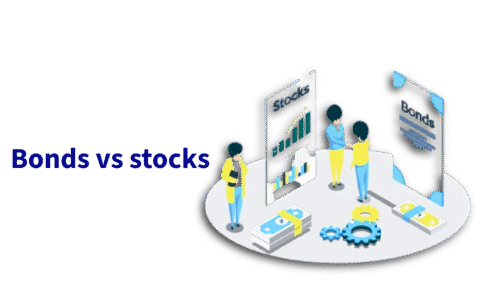
Bonds vs stocks
What you'll learn
The basic structure and purpose of both stocks and bonds
Key differences in risk, return, volatility, and income generation
How market conditions affect stocks and bonds differently
When to prioritize bonds vs. stocks in your portfolio
How to build a diversified strategy using both asset classes

Free
Trading Earnings Season
What you'll learn
What earnings season is and how it affects market behavior
How to interpret earnings reports, analyst expectations, and guidance
Trading strategies before, during, and after earnings announcements
Tools for finding upcoming earnings and tracking volatility
Risk management techniques specific to earnings-related trades

Free
Trading an IPO
What you'll learn
What an IPO is and how the IPO process works
How to analyze a company before it goes public
Key factors that influence IPO price movement
Trading strategies for IPO day and post-IPO opportunities
Risks and challenges unique to IPO trading

Free
Introduction to Futures
What you'll learn
This course is designed for you. Dive into the basics of futures contracts, how contracts trade on a futures exchange, the different ways customers use these instruments and the benefits that futures provide.

Free
Introduction to Trading Stocks
What you'll learn
Key Takeaways from the Trading Stocks Course
Understand Stock Market Basics – Learn what stocks are, how stock exchanges function, and the role of brokers and regulators.
Different Trading Styles – Explore approaches such as day trading, swing trading, and position trading, and identify which fits your goals.
Reading Charts & Indicators – Gain the ability to analyze stock charts, recognize patterns, and apply technical indicators for informed decisions.
Fundamental Analysis – Discover how to evaluate company performance using earnings, balance sheets, and market news.
Risk & Money Management – Learn essential strategies for managing risk, setting stop-losses, and protecting your trading capital.
Market Psychology – Understand trader behavior, emotions, and how market sentiment influences stock prices.
Building a Trading Plan – Create a structured, disciplined approach to trading that supports long-term growth.
Hands-on Learning – Apply knowledge through practice examples, simulated trades, and real market scenarios.
