









Free
Expert Advisors (EAs)
What you'll learn
Understand what Expert Advisors (EAs) are and how they function within MetaTrader platforms
Learn the difference between fully automated and semi-automated trading systems
Discover how to install, configure, and test EAs on MT4/MT5
Explore the basics of backtesting and optimizing EAs using historical data
Understand key concepts like:
Risk parameters
Drawdown limits
Trade filters and time controls
Learn how to evaluate third-party EAs before using them in a live account
Gain awareness of the risks and limitations of automated trading
Free
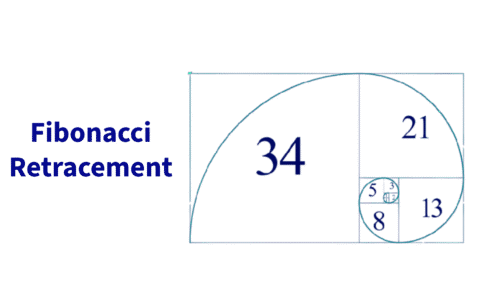
Trading with Fibonacci retracement
What you'll learn
The theory behind Fibonacci retracement and why it works in trading
How to correctly draw and interpret Fibonacci levels on price charts
Identifying confluence zones with Fibonacci and other indicators
Entry, stop-loss, and take-profit strategies using retracement levels
Common mistakes traders make when using Fibonacci — and how to avoid them

Free
Intro Trading Psychology
What you'll learn
Losing money is a particularly difficult test for new traders, who tend to lose very often. It is very hard to believe in yourself when you have no history of success and no way to put losses in perspective. But, being a good trader is like being a good baseball player who is considered a superstar if he gets on base 4 times out of 10. You don’t have to win every time to be a successful trader. You just have to understand that’s the way it is and be comfortable with it.
Free
Introduction to Trading Psychology
What you'll learn
In the Trading Psychology course, students will learn how emotions such as fear, greed, and overconfidence impact trading decisions, and how to build discipline and mental resilience to manage them effectively. The course explores techniques to stay calm under pressure, develop patience, and follow a structured trading plan without being swayed by short-term market noise. By mastering mindset and emotional control, students will gain the psychological tools needed to make consistent, rational decisions and improve their long-term performance in the markets.
Free
Introduction to Technical Indicators
What you'll learn
Students will understand the role of technical indicators in analyzing market trends, momentum, and potential entry/exit points. They will learn how to apply popular indicators such as moving averages, RSI (Relative Strength Index), MACD (Moving Average Convergence Divergence), and Bollinger Bands. The course emphasizes not just using indicators in isolation, but combining them effectively to confirm signals and manage risk. By the end, students will be able to use technical indicators to support their trading strategies with greater confidence.
