





Free
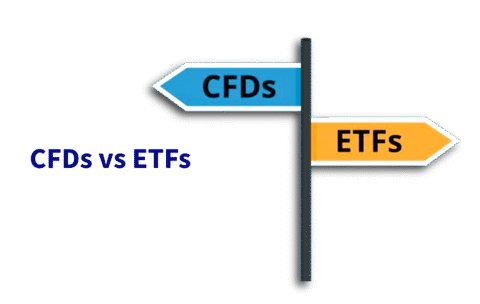
CFDs vs ETFs
What you'll learn
The core differences between CFDs and ETFs
Advantages and disadvantages of each instrument
How leverage, ownership, and costs vary between the two
When to use CFDs vs. when ETFs might be a better choice
Real-world scenarios comparing CFD trades to ETF investments

Free
Intro Trading Psychology
What you'll learn
Losing money is a particularly difficult test for new traders, who tend to lose very often. It is very hard to believe in yourself when you have no history of success and no way to put losses in perspective. But, being a good trader is like being a good baseball player who is considered a superstar if he gets on base 4 times out of 10. You don’t have to win every time to be a successful trader. You just have to understand that’s the way it is and be comfortable with it.
Free
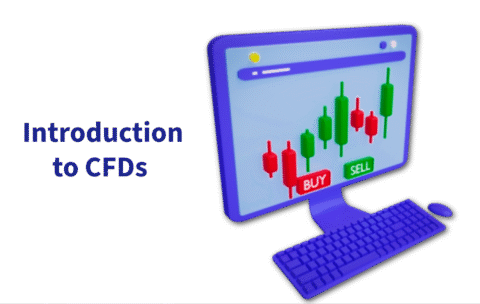
Introduction to CFD’s
What you'll learn
In the CFD Trading course, students will learn how to approach financial markets using Contracts for Difference as a flexible tool for trading. They will gain a clear understanding of how CFDs work, including leverage, margin, and the mechanics of going long or short. The course introduces essential trading strategies and risk management techniques, helping students balance opportunities with potential risks. Learners will also explore how to analyze markets through both technical and fundamental methods, practice identifying entry and exit points, and understand the costs associated with CFD trading. By the end, students will be equipped with the knowledge and confidence to start practicing CFD trading in demo environments and prepare for live market participation.
Free
Introduction to Trading Psychology
What you'll learn
In the Trading Psychology course, students will learn how emotions such as fear, greed, and overconfidence impact trading decisions, and how to build discipline and mental resilience to manage them effectively. The course explores techniques to stay calm under pressure, develop patience, and follow a structured trading plan without being swayed by short-term market noise. By mastering mindset and emotional control, students will gain the psychological tools needed to make consistent, rational decisions and improve their long-term performance in the markets.
Free
Mastering CFDs
What you'll learn
By the end of this section, students will:
Understand the structure and mechanics of CFDs.
Learn how to trade CFDs across multiple asset classes (forex, stocks, indices, commodities).
Apply leverage and margin effectively while avoiding overexposure.
Recognize the advantages and risks unique to CFD trading.
Integrate CFDs into a structured trading strategy with sound risk controls.
