









Free
Expert Advisors (EAs)
What you'll learn
Understand what Expert Advisors (EAs) are and how they function within MetaTrader platforms
Learn the difference between fully automated and semi-automated trading systems
Discover how to install, configure, and test EAs on MT4/MT5
Explore the basics of backtesting and optimizing EAs using historical data
Understand key concepts like:
Risk parameters
Drawdown limits
Trade filters and time controls
Learn how to evaluate third-party EAs before using them in a live account
Gain awareness of the risks and limitations of automated trading
Free
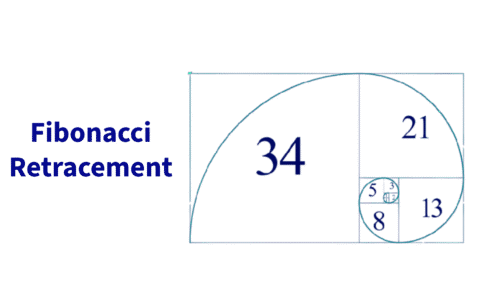
Trading with Fibonacci retracement
What you'll learn
The theory behind Fibonacci retracement and why it works in trading
How to correctly draw and interpret Fibonacci levels on price charts
Identifying confluence zones with Fibonacci and other indicators
Entry, stop-loss, and take-profit strategies using retracement levels
Common mistakes traders make when using Fibonacci — and how to avoid them

Free
Introduction to Crude Oil
What you'll learn
Crude oil is a naturally occurring, non-renewable resource that's a fundamental component of the global economy. It's a raw material, often referred to as "black gold," that's refined into various petroleum products, including gasoline, jet fuel, and diesel. Understanding crude oil involves grasping its formation, extraction, refining, global trading, and the factors influencing its price.

Free
Introduction to Natural Gas
What you'll learn
The structure of the natural gas market has evolved over time and become one of the most competitive, efficient, transparent, and liquid natural gas futures and options market in the world. Explore the basics of natural gas infrastructure, key impacts like seasonality that affect supply and demand, as well as hedging physical product using futures and options products.
Free
Introduction to Technical Indicators
What you'll learn
Students will understand the role of technical indicators in analyzing market trends, momentum, and potential entry/exit points. They will learn how to apply popular indicators such as moving averages, RSI (Relative Strength Index), MACD (Moving Average Convergence Divergence), and Bollinger Bands. The course emphasizes not just using indicators in isolation, but combining them effectively to confirm signals and manage risk. By the end, students will be able to use technical indicators to support their trading strategies with greater confidence.
