







Free
Solana Trading For Beginners
What you'll learn
What Solana is and how it compares to other major blockchains
The basics of trading SOL on popular crypto exchanges
How to analyze SOL’s price using technical and fundamental indicators
How to place your first trade and manage risk effectively
Common beginner mistakes and how to avoid them

Free
What is Dogecoin
What you'll learn
What Dogecoin is, how it originated, and what drives its price
How Dogecoin differs from other major cryptocurrencies
The basics of CFD trading and how it applies to DOGE
Advantages and risks of trading Dogecoin CFDs vs. spot trading
How to use technical analysis, leverage, and stop-losses in CFD trades

Free
How to trade Ethereum
What you'll learn
The basics of Ethereum and how it differs from other cryptocurrencies
How to analyze Ethereum’s price using technical and fundamental tools
Different ways to trade Ethereum (spot, margin, futures, and options)
How to choose a trading platform and manage risk effectively
Practical trading strategies for trending, ranging, and volatile markets
Free
What is Ripple (XRP)?
What you'll learn
What Ripple and XRP are, and how they differ
How the Ripple network facilitates cross-border payments
The role of XRP as a bridge currency in financial transactions
Key differences between XRP and other cryptocurrencies like Bitcoin or Ethereum
Regulatory considerations and the current state of Ripple in global markets
Free
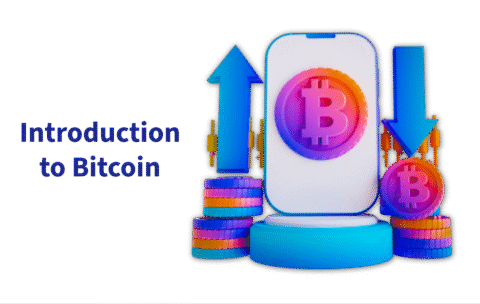
Introduction to Bitcoin
What you'll learn
Transparency and reliability
Options on Bitcoin Friday futures are financially settled by reference to a fixing price, which, on the last business day of the week, shall correspond to the final settlement price for BFF. Options expiring prior to the last business day of the week shall correspond to a volume-weighted average price of transactions in BFF during the last sixty minutes of trading on the expiration date of the associated options contract (3:00:00 p.m. – 3:59:59 p.m. ET). This ensures transparency and reliability, providing traders with confidence in the settlement value of their contracts.
Free
Crypto Trading
What you'll learn
In the Crypto Education Course, learners will discover the foundations of cryptocurrency trading and investing. The course explains how blockchain technology works, introduces major digital assets like Bitcoin and Ethereum, and demonstrates how crypto markets differ from traditional markets. Participants will learn how to open and manage a crypto trading account, understand market charts, use trading platforms, and practice risk management tailored to the volatility of crypto assets. By the end, beginners will have the knowledge to approach cryptocurrency trading with confidence and make informed decisions in this fast-growing sector.

Free
What is Litecoin
What you'll learn
What Litecoin is, how it works, and its use cases
Key differences between Litecoin and other major cryptocurrencies
How to trade Litecoin on spot, margin, and CFD markets
Technical and fundamental tools for analyzing LTC price movements
Risk management strategies and trading tips specific to LTC

Free
Most Traded Cryptocurrencies Globally
What you'll learn
Overview of the top traded cryptocurrencies by volume and market cap
The technology, use cases, and teams behind leading coins like Bitcoin, Ethereum, and others
How liquidity and volatility affect trading opportunities
Key metrics for analyzing and comparing different cryptocurrencies
How to build a diversified crypto trading or investment strategy

Free
Trading Calculators
What you'll learn
How to use different types of trading calculators, including pip, margin, profit/loss, and position size calculators
How to accurately calculate risk and reward before entering a trade
How to determine the correct position size based on account balance and risk tolerance
How to calculate margin requirements based on leverage and instrument type
How to integrate calculator results into your overall trading strategy and risk management plan
