








Free
Introduction to Livestock
What you'll learn
Livestock Futures – Live Cattle
Live Cattle futures are designed to allow feedlot operators to hedge against a decline in price before they are able to sell the cattle for processing, and for buyers, such as meat packers, to manage the risk of an increase in the price of the cattle they are planning to purchase for processing, or to protect their profit margin for beef they have committed to ship in the future.
Live Cattle futures trade in units of 40,000 pounds and in minimum price increments of $10.00. They are listed for trading in the even months of February, April, June, August, October and December. Live Cattle is a physically-delivered futures contract, meaning that live steers are ultimately delivered. There are specific standards in terms of the quantity and USDA grade of cattle that can be delivered. The details on the delivery requirements and procedures for Live Cattle futures can be found in the CME Rulebook on the CME Group website.
Lean Hogs
Lean Hogs refers to a hog that is ready for processing at about 275 pounds. Hogs are mainly produced in the Midwest, and it typically takes about six months for a pig to become market-ready. The carcass of a market hog weighs about 200 pounds and will typically yield about 155 pounds of lean meat, which is the core of the lean hog futures contract.
Lean Hog futures allow sellers and buyers, such hog producers and packers, to manage the risk of adverse price movements in their operations. Lean Hog futures trade in units of 40,000 pounds of hog carcasses and in minimum price increments of $10.00. They are listed in February, April, May, June, July, August, October and December. As with Feeder Cattle, Lean Hog futures are settled in cash at expiration, to at a price equal to the CME Lean Hog Index on the last day of trading.
Free
Introduction to Trading Stocks
What you'll learn
Key Takeaways from the Trading Stocks Course
Understand Stock Market Basics – Learn what stocks are, how stock exchanges function, and the role of brokers and regulators.
Different Trading Styles – Explore approaches such as day trading, swing trading, and position trading, and identify which fits your goals.
Reading Charts & Indicators – Gain the ability to analyze stock charts, recognize patterns, and apply technical indicators for informed decisions.
Fundamental Analysis – Discover how to evaluate company performance using earnings, balance sheets, and market news.
Risk & Money Management – Learn essential strategies for managing risk, setting stop-losses, and protecting your trading capital.
Market Psychology – Understand trader behavior, emotions, and how market sentiment influences stock prices.
Building a Trading Plan – Create a structured, disciplined approach to trading that supports long-term growth.
Hands-on Learning – Apply knowledge through practice examples, simulated trades, and real market scenarios.
Free
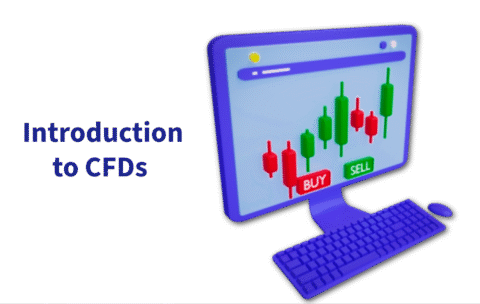
Introduction to CFD’s
What you'll learn
In the CFD Trading course, students will learn how to approach financial markets using Contracts for Difference as a flexible tool for trading. They will gain a clear understanding of how CFDs work, including leverage, margin, and the mechanics of going long or short. The course introduces essential trading strategies and risk management techniques, helping students balance opportunities with potential risks. Learners will also explore how to analyze markets through both technical and fundamental methods, practice identifying entry and exit points, and understand the costs associated with CFD trading. By the end, students will be equipped with the knowledge and confidence to start practicing CFD trading in demo environments and prepare for live market participation.
Free
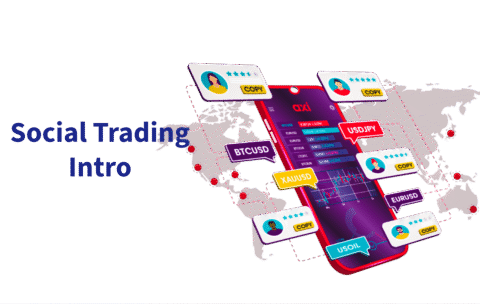
Introduction to Social Trading
What you'll learn
In this course, you will learn how social trading works and how to effectively use it as a learning and investing tool. You’ll discover how to analyze and follow professional traders, understand the benefits and risks of copying strategies, and build confidence through observing real market decisions. You’ll also gain insight into community-driven trading, how to engage with other traders, and how to apply risk management while leveraging shared knowledge.
Free
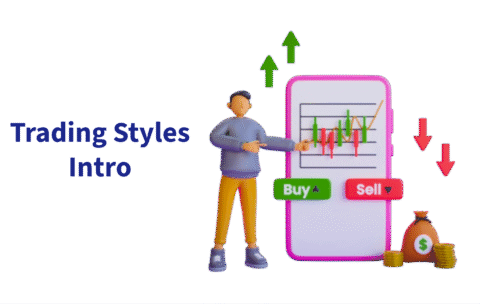
Introduction to Trading Styles
What you'll learn
In this section, students will explore the different trading styles that define how market participants approach decision-making and manage timeframes. You will learn the distinctions between scalping, day trading, swing trading, and position trading, and understand how each style requires unique levels of time commitment, risk management, and strategy. The course will also highlight the psychological and lifestyle factors that influence which trading style may be most suitable for you, helping you match your personal goals, temperament, and availability with an effective trading approach. By the end, you will be able to identify which style aligns with your objectives and how to adapt your techniques as market conditions change.

Free
Introduction to Trading Strategies
What you'll learn
A student learning about trading strategies will gain insight into how traders approach the markets with discipline and structure. They will explore the differences between short-term and long-term strategies, such as scalping, day trading, swing trading, and position trading, and understand the advantages and risks of each. The course will teach how to combine technical indicators, chart patterns, and fundamental analysis to create strategies that fit different market conditions. Students will also learn about risk management, setting stop-loss and take-profit levels, and how to tailor a strategy to their personal goals, time commitment, and risk tolerance. By the end, they will understand how to build, test, and refine a strategy to trade consistently and with greater confidence.
Free
Introduction to Trading Psychology
What you'll learn
In the Trading Psychology course, students will learn how emotions such as fear, greed, and overconfidence impact trading decisions, and how to build discipline and mental resilience to manage them effectively. The course explores techniques to stay calm under pressure, develop patience, and follow a structured trading plan without being swayed by short-term market noise. By mastering mindset and emotional control, students will gain the psychological tools needed to make consistent, rational decisions and improve their long-term performance in the markets.
Free
Introduction to Technical Indicators
What you'll learn
Students will understand the role of technical indicators in analyzing market trends, momentum, and potential entry/exit points. They will learn how to apply popular indicators such as moving averages, RSI (Relative Strength Index), MACD (Moving Average Convergence Divergence), and Bollinger Bands. The course emphasizes not just using indicators in isolation, but combining them effectively to confirm signals and manage risk. By the end, students will be able to use technical indicators to support their trading strategies with greater confidence.
Free
Introduction to Fundamental Analysis
What you'll learn
Students will gain a strong foundation in understanding how economic, financial, and political factors drive asset prices. They will learn how to interpret financial statements, evaluate macroeconomic indicators, and connect global events to market movements. The course will also teach how to identify undervalued or overvalued assets, analyze company performance, and apply these insights to build long-term trading or investment strategies.
Free
Introduction to Technical Analysis
What you'll learn
The fundamentals of technical analysis and why it’s used across financial markets.
How to read and interpret candlestick charts and price movements.
Key chart patterns such as head and shoulders, triangles, and flags.
How to identify support and resistance levels for smarter trade entries/exits.
The role of trendlines, moving averages, and momentum in market analysis.
Practical strategies to apply technical analysis in real-world trading scenarios.
Free
Introduction to Metatrader 5
What you'll learn
In this course, students will gain a clear understanding of how to use MetaTrader 5 effectively for online trading.
They will explore how to set up accounts, navigate the platform, place and manage trades, and use its advanced charting and technical tools.
Additionally, students will learn how to incorporate Expert Advisors (EAs) for automated trading and how to customize MT5 for their own trading strategies.
Free
Intro to Metatrader 4
What you'll learn
Students will learn how to set up and navigate the MetaTrader 4 platform, place and manage trades, and use charting tools and indicators effectively.
They will also gain insights into customizing MT4, managing risk, and using automated strategies through Expert Advisors.
By the end of the course, learners will be comfortable operating MT4 as their main trading platform, understanding both its strengths and its limitations compared to newer platforms.
Free
Introduction to financial markets
What you'll learn
By the end of this section, students will:
Understand the structure and purpose of the major financial markets (forex, stocks, commodities, bonds, and derivatives).
Learn about the key participants — from retail traders to central banks and institutional investors.
Recognize how supply, demand, and economic events drive price movements.
Gain an introduction to market regulation and fairness.
Build the essential foundation for studying trading strategies and risk management.

Free
Introduction to Commodities
What you'll learn
In the Commodities Course, you will learn how global supply and demand, geopolitical tensions, and seasonal factors influence the prices of raw materials like oil, gold, silver, and agricultural products. The course will guide you through how to analyze commodity markets, understand price drivers, and use trading strategies such as futures and options. You’ll also gain insights into how commodities can be used for portfolio diversification, inflation hedging, and risk management, making them a vital component of capital markets trading.
