







Free
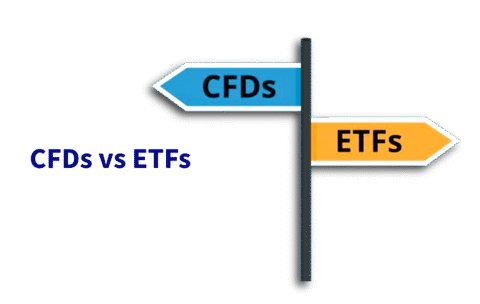
CFDs vs ETFs
What you'll learn
The core differences between CFDs and ETFs
Advantages and disadvantages of each instrument
How leverage, ownership, and costs vary between the two
When to use CFDs vs. when ETFs might be a better choice
Real-world scenarios comparing CFD trades to ETF investments
Free
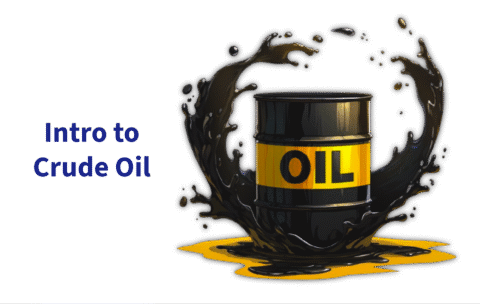
Introduction to Crude Oil
What you'll learn
Crude oil is a naturally occurring, non-renewable resource that's a fundamental component of the global economy. It's a raw material, often referred to as "black gold," that's refined into various petroleum products, including gasoline, jet fuel, and diesel. Understanding crude oil involves grasping its formation, extraction, refining, global trading, and the factors influencing its price.
Free
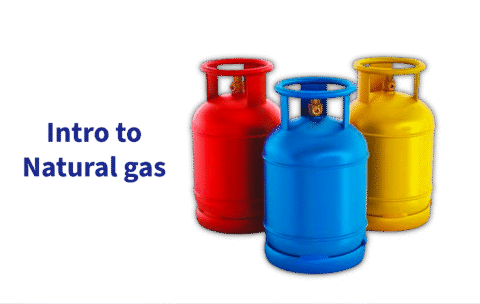
Introduction to Natural Gas
What you'll learn
The structure of the natural gas market has evolved over time and become one of the most competitive, efficient, transparent, and liquid natural gas futures and options market in the world. Explore the basics of natural gas infrastructure, key impacts like seasonality that affect supply and demand, as well as hedging physical product using futures and options products.
Free
Introduction to CFD’s
What you'll learn
In the CFD Trading course, students will learn how to approach financial markets using Contracts for Difference as a flexible tool for trading. They will gain a clear understanding of how CFDs work, including leverage, margin, and the mechanics of going long or short. The course introduces essential trading strategies and risk management techniques, helping students balance opportunities with potential risks. Learners will also explore how to analyze markets through both technical and fundamental methods, practice identifying entry and exit points, and understand the costs associated with CFD trading. By the end, students will be equipped with the knowledge and confidence to start practicing CFD trading in demo environments and prepare for live market participation.
Free
Mastering CFDs
What you'll learn
By the end of this section, students will:
Understand the structure and mechanics of CFDs.
Learn how to trade CFDs across multiple asset classes (forex, stocks, indices, commodities).
Apply leverage and margin effectively while avoiding overexposure.
Recognize the advantages and risks unique to CFD trading.
Integrate CFDs into a structured trading strategy with sound risk controls.
