



Free
What Is Livestock Trading?
What you'll learn
What livestock trading is and which animals are most commonly traded (e.g., live cattle, feeder cattle, lean hogs)
How livestock futures contracts work and where they’re traded (e.g., CME Group)
Key factors affecting livestock prices, including feed costs, weather, and global demand
Strategies for trading livestock: speculation, hedging, and spread trading
Risk management techniques specific to agricultural commodities

Free
Oil & Gas Hedging – Put Options
What you'll learn
What put options are and how they function in commodity hedging
How oil & gas producers use puts to establish a price floor
Key terms: strike price, premium, expiry, and intrinsic value
Step-by-step examples of using puts to hedge crude oil and natural gas
The benefits and limitations of using puts compared to swaps and futures
Free
Introduction to Options
What you'll learn
Key Takeaways
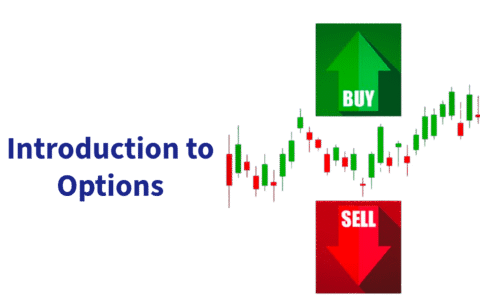
Options trading offers traders and investors the choice, but not the obligation, to buy or sell assets like cryptocurrencies and stocks at a fixed price.
In options trading, most trading activity and profits come from buying and selling options contracts rather than exercising them to trade the underlying asset.
American options can be exercised at any point before they expire, whereas European options can only be exercised on their expiration or exercise date.
Understanding calls, puts, premiums, expiration dates, and strike prices is key to making informed decisions in options trading.

Free
Introduction to Livestock
What you'll learn
Livestock Futures – Live Cattle
Live Cattle futures are designed to allow feedlot operators to hedge against a decline in price before they are able to sell the cattle for processing, and for buyers, such as meat packers, to manage the risk of an increase in the price of the cattle they are planning to purchase for processing, or to protect their profit margin for beef they have committed to ship in the future.
Live Cattle futures trade in units of 40,000 pounds and in minimum price increments of $10.00. They are listed for trading in the even months of February, April, June, August, October and December. Live Cattle is a physically-delivered futures contract, meaning that live steers are ultimately delivered. There are specific standards in terms of the quantity and USDA grade of cattle that can be delivered. The details on the delivery requirements and procedures for Live Cattle futures can be found in the CME Rulebook on the CME Group website.
Lean Hogs
Lean Hogs refers to a hog that is ready for processing at about 275 pounds. Hogs are mainly produced in the Midwest, and it typically takes about six months for a pig to become market-ready. The carcass of a market hog weighs about 200 pounds and will typically yield about 155 pounds of lean meat, which is the core of the lean hog futures contract.
Lean Hog futures allow sellers and buyers, such hog producers and packers, to manage the risk of adverse price movements in their operations. Lean Hog futures trade in units of 40,000 pounds of hog carcasses and in minimum price increments of $10.00. They are listed in February, April, May, June, July, August, October and December. As with Feeder Cattle, Lean Hog futures are settled in cash at expiration, to at a price equal to the CME Lean Hog Index on the last day of trading.
