




Free
What Is Livestock Trading?
What you'll learn
What livestock trading is and which animals are most commonly traded (e.g., live cattle, feeder cattle, lean hogs)
How livestock futures contracts work and where they’re traded (e.g., CME Group)
Key factors affecting livestock prices, including feed costs, weather, and global demand
Strategies for trading livestock: speculation, hedging, and spread trading
Risk management techniques specific to agricultural commodities
Free
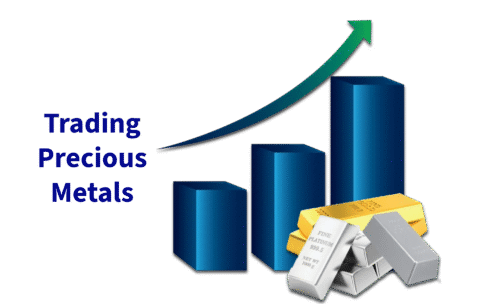
What is Metal Trading
What you'll learn
The difference between precious metals and industrial metals
How metal markets operate (spot, futures, ETFs, and CFDs)
Factors that influence metal prices (e.g., inflation, supply/demand, geopolitics)
Common trading strategies for gold, silver, copper, and more
How to analyze metal markets using technical and fundamental tools

Free
Trading Silver
What you'll learn
The fundamentals of the silver market and how XAG/USD is traded in forex and CFD platforms
Key economic indicators and industrial factors that influence silver prices
The relationship between silver, gold, and the US dollar — and how to use it to your advantage
How to apply charting tools, price action, and technical indicators to trade XAG/USD
Trading strategies tailored to silver’s volatility, including trend, range, and breakout setups
Free
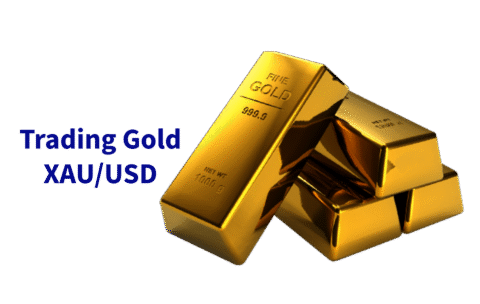
Trading Gold
What you'll learn
The fundamentals of gold trading and how XAU/USD works in the forex and CFD markets
Key economic, geopolitical, and technical factors that influence gold prices
How to use gold as part of a risk management or diversification strategy
How to apply technical indicators and charting tools specifically to gold markets
Strategies for trading gold in different market conditions — ranging from trend-following to breakout trading

Free
Introduction to Base Metals
What you'll learn
Base metals are non-ferrous industrial metals including copper, aluminum, lead, nickel, tin and zinc. These metals appear in both industrial and commercial applications, therefore list of market participants who could hedge their price risk is vast. Some firms are hedging a physical price exposure due to their involvement in the supply chain of the metal, while others trade base metals as an investment asset. Discover how base metals futures can help you take part in the opportunities of this market, from how the contracts are constructed to how they may fit into your trading strategy.
Free
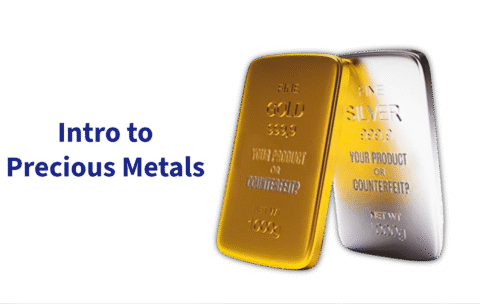
Precious Metals
What you'll learn
How to Manage Precious Metals Price Risk
There are numerous examples of how future and options can be used to manage economic risks inherent in commercial operations and in investment portfolios. This module discusses risk management using COMEX and NYMEX Precious Metals futures.
Market prices respond to changing circumstances. We all know that prices will be different in the future to how they are today, but we do not know how different they will be. At a more basic level, while some people make predictions, no one knows with certainty whether prices will be higher or lower in the future.

Free
Introduction to Livestock
What you'll learn
Livestock Futures – Live Cattle
Live Cattle futures are designed to allow feedlot operators to hedge against a decline in price before they are able to sell the cattle for processing, and for buyers, such as meat packers, to manage the risk of an increase in the price of the cattle they are planning to purchase for processing, or to protect their profit margin for beef they have committed to ship in the future.
Live Cattle futures trade in units of 40,000 pounds and in minimum price increments of $10.00. They are listed for trading in the even months of February, April, June, August, October and December. Live Cattle is a physically-delivered futures contract, meaning that live steers are ultimately delivered. There are specific standards in terms of the quantity and USDA grade of cattle that can be delivered. The details on the delivery requirements and procedures for Live Cattle futures can be found in the CME Rulebook on the CME Group website.
Lean Hogs
Lean Hogs refers to a hog that is ready for processing at about 275 pounds. Hogs are mainly produced in the Midwest, and it typically takes about six months for a pig to become market-ready. The carcass of a market hog weighs about 200 pounds and will typically yield about 155 pounds of lean meat, which is the core of the lean hog futures contract.
Lean Hog futures allow sellers and buyers, such hog producers and packers, to manage the risk of adverse price movements in their operations. Lean Hog futures trade in units of 40,000 pounds of hog carcasses and in minimum price increments of $10.00. They are listed in February, April, May, June, July, August, October and December. As with Feeder Cattle, Lean Hog futures are settled in cash at expiration, to at a price equal to the CME Lean Hog Index on the last day of trading.
