









Free
The London Hammer trading strategy
What you'll learn
Understand the Hammer candlestick pattern and its psychological meaning
Learn how to spot valid Hammer setups during the London session
Discover how to combine this pattern with support/resistance and session timing for high-probability trades
Learn how to place precise entries, stop-losses, and profit targets
Explore the best timeframes and currency pairs for this strategy
Analyze real-world examples of winning and losing trades to understand how to adapt in live markets
Free
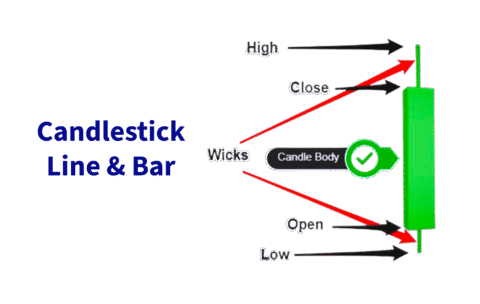
Chart Types: candlestick, line, bar
What you'll learn
Identify and distinguish between candlestick, line, and bar charts
Understand the structure and components of each chart type
Interpret key price information such as open, high, low, and close (OHLC)
Recognize the strengths and weaknesses of each chart type
Apply appropriate chart types to different trading and analysis scenarios
Gain confidence in using charts to support investment decisions

Free
Exploring Exotic Forex Pairs
What you'll learn
What exotic forex pairs are and how they differ from major and minor pairs
Commonly traded exotic pairs (e.g., USD/TRY, EUR/ZAR, USD/SGD, USD/MXN)
Key drivers of price movements in exotic currencies (interest rates, political risk, capital flows)
How to manage the higher volatility and lower liquidity in exotic markets
Strategic approaches for trading exotics: news-based, carry trades, and long-term positioning

Free
The major forex pairs
What you'll learn
What defines a major forex pair and why they matter in the market
Overview of each major pair: EUR/USD, USD/JPY, GBP/USD, USD/CHF, AUD/USD, NZD/USD, and USD/CAD
Key economic indicators and geopolitical factors that impact major pairs
Trading strategies tailored to each pair’s characteristics (volatility, session timing, etc.)
How to manage risk and capitalize on correlations between major pairs

Free
What is EUR/USD
What you'll learn
What the EUR/USD currency pair represents and how it’s quoted
Key factors that influence its price: interest rates, inflation, and economic data
Popular strategies for trading EUR/USD (technical, fundamental, and news-based)
How to read EUR/USD charts and identify entry/exit points
Risk management techniques for forex trading

Free
Introduction to Gapping in Trading
What you'll learn
What a price gap is and how gaps form on charts
The four main types of gaps: common, breakaway, runaway, and exhaustion gaps
How to interpret gaps as signals for momentum or reversals
Strategies for trading gap ups and gap downs
Risk management tips for trading in volatile, gapping conditions

Free
What is Day Trading
What you'll learn
The definition of day trading and how it compares to other trading styles
The tools and platforms commonly used by day traders
Key strategies such as momentum trading, scalping, and breakout trading
Risk and money management principles to protect your capital
How to create a daily trading routine and trading plan
Free
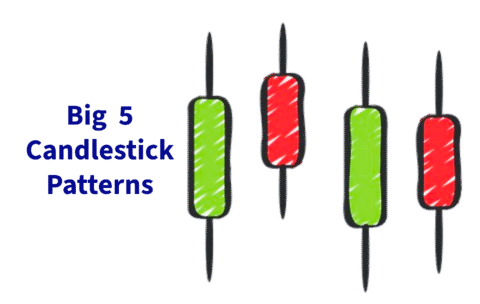
Five Candlestick Patterns
What you'll learn
The structure of candlesticks and how to interpret them
The 5 most important candlestick patterns and what they signal
How to identify bullish vs. bearish formations
Real-world chart examples of each pattern in action
How to incorporate candlestick patterns into your trading strategy

Free
Trading Currency Pairs
What you'll learn
How the Forex market operates and the mechanics of currency pairs
Key concepts such as pips, lots, leverage, and margin
How to read Forex charts and use technical indicators for analysis
Fundamental factors that influence currency prices (e.g., interest rates, economic news)
Risk management strategies to protect your capital and minimize losses

Free
Trading Trendlines
What you'll learn
A trend line can indicate whether or not a trend is present. If a trend line has a positive slope, there is a positive association between the variables. If a trend line has a negative slope, there is a negative association between the variables.

Free
Intro Trading Candles
What you'll learn
By the end of this section, students will:
Understand the structure of a candlestick (open, high, low, close).
Recognize the difference between bullish and bearish candles.
Identify common candlestick patterns that signal market sentiment.
Learn how to use candles to spot potential reversals and continuations.
Apply candlestick reading as a foundation for broader technical analysis.
