







Free
Expert Advisors (EAs)
What you'll learn
Understand what Expert Advisors (EAs) are and how they function within MetaTrader platforms
Learn the difference between fully automated and semi-automated trading systems
Discover how to install, configure, and test EAs on MT4/MT5
Explore the basics of backtesting and optimizing EAs using historical data
Understand key concepts like:
Risk parameters
Drawdown limits
Trade filters and time controls
Learn how to evaluate third-party EAs before using them in a live account
Gain awareness of the risks and limitations of automated trading
Free
What is Metal Trading
What you'll learn
The difference between precious metals and industrial metals
How metal markets operate (spot, futures, ETFs, and CFDs)
Factors that influence metal prices (e.g., inflation, supply/demand, geopolitics)
Common trading strategies for gold, silver, copper, and more
How to analyze metal markets using technical and fundamental tools
Free
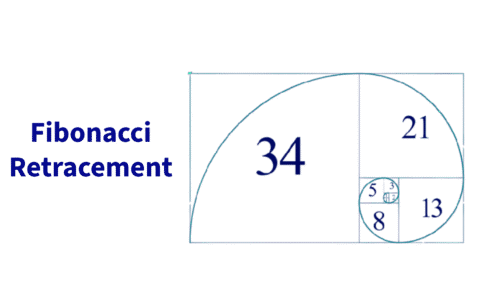
Trading with Fibonacci retracement
What you'll learn
The theory behind Fibonacci retracement and why it works in trading
How to correctly draw and interpret Fibonacci levels on price charts
Identifying confluence zones with Fibonacci and other indicators
Entry, stop-loss, and take-profit strategies using retracement levels
Common mistakes traders make when using Fibonacci — and how to avoid them

Free
Trading Silver
What you'll learn
The fundamentals of the silver market and how XAG/USD is traded in forex and CFD platforms
Key economic indicators and industrial factors that influence silver prices
The relationship between silver, gold, and the US dollar — and how to use it to your advantage
How to apply charting tools, price action, and technical indicators to trade XAG/USD
Trading strategies tailored to silver’s volatility, including trend, range, and breakout setups

Free
Trading Gold
What you'll learn
The fundamentals of gold trading and how XAU/USD works in the forex and CFD markets
Key economic, geopolitical, and technical factors that influence gold prices
How to use gold as part of a risk management or diversification strategy
How to apply technical indicators and charting tools specifically to gold markets
Strategies for trading gold in different market conditions — ranging from trend-following to breakout trading

Free
Introduction to Base Metals
What you'll learn
Base metals are non-ferrous industrial metals including copper, aluminum, lead, nickel, tin and zinc. These metals appear in both industrial and commercial applications, therefore list of market participants who could hedge their price risk is vast. Some firms are hedging a physical price exposure due to their involvement in the supply chain of the metal, while others trade base metals as an investment asset. Discover how base metals futures can help you take part in the opportunities of this market, from how the contracts are constructed to how they may fit into your trading strategy.

Free
Precious Metals
What you'll learn
How to Manage Precious Metals Price Risk
There are numerous examples of how future and options can be used to manage economic risks inherent in commercial operations and in investment portfolios. This module discusses risk management using COMEX and NYMEX Precious Metals futures.
Market prices respond to changing circumstances. We all know that prices will be different in the future to how they are today, but we do not know how different they will be. At a more basic level, while some people make predictions, no one knows with certainty whether prices will be higher or lower in the future.
Free
Introduction to Technical Indicators
What you'll learn
Students will understand the role of technical indicators in analyzing market trends, momentum, and potential entry/exit points. They will learn how to apply popular indicators such as moving averages, RSI (Relative Strength Index), MACD (Moving Average Convergence Divergence), and Bollinger Bands. The course emphasizes not just using indicators in isolation, but combining them effectively to confirm signals and manage risk. By the end, students will be able to use technical indicators to support their trading strategies with greater confidence.
