







Free
Fundamentals of Oil & Gas Hedging
What you'll learn
What hedging is and why it’s vital in the oil & gas industry
Key instruments used in hedging: futures, options, and swaps
How to structure basic hedging strategies for producers and consumers
Real-world examples of hedging crude oil, natural gas, and refined products
The risks and limitations of hedging in energy markets
Free
Energy basis
What you'll learn
What energy basis means in crude oil, natural gas, and refined products markets
Key causes of basis risk: location, quality, transportation, and infrastructure constraints
How basis impacts producer revenue and hedging effectiveness
Hedging instruments used to manage basis risk, including basis swaps and spread trades
Real-world examples of basis hedging strategies and how they’re structured

Free
Oil & Gas Hedging with Swaps
What you'll learn
What commodity swaps are and how they differ from futures and options
How oil & gas companies use swaps to hedge price risk
Key components of a swap: fixed price, floating price, notional volume
Real-world examples of crude oil and natural gas swap strategies
Risks, benefits, and considerations when using swaps for hedging
Free
Oil & Gas Hedging – Put Options
What you'll learn
What put options are and how they function in commodity hedging
How oil & gas producers use puts to establish a price floor
Key terms: strike price, premium, expiry, and intrinsic value
Step-by-step examples of using puts to hedge crude oil and natural gas
The benefits and limitations of using puts compared to swaps and futures
Free
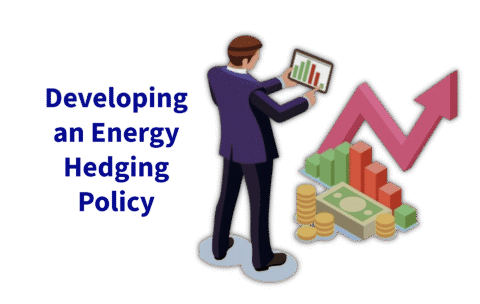
Developing an Energy Hedging Policy
What you'll learn
Why an energy hedging policy is important for risk management
Key components of a comprehensive hedging policy
How to define risk exposure, hedging objectives, and risk tolerance
Governance, controls, and reporting structures for policy enforcement
Best practices for reviewing, updating, and communicating the policy internally
Free
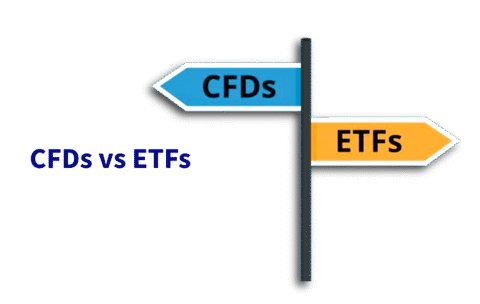
CFDs vs ETFs
What you'll learn
The core differences between CFDs and ETFs
Advantages and disadvantages of each instrument
How leverage, ownership, and costs vary between the two
When to use CFDs vs. when ETFs might be a better choice
Real-world scenarios comparing CFD trades to ETF investments

Free
Forex Hedging
What you'll learn
The fundamentals of hedging and its role in the Forex market
Different types of hedging strategies (direct, cross, and options-based)
How to set up a hedge using Forex pairs, contracts, or options
Situations where hedging is beneficial — and when it’s not
How to manage and exit hedge positions effectively
Free
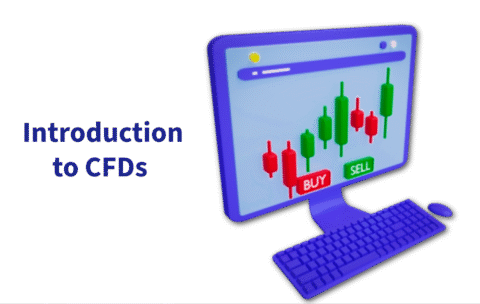
Introduction to CFD’s
What you'll learn
In the CFD Trading course, students will learn how to approach financial markets using Contracts for Difference as a flexible tool for trading. They will gain a clear understanding of how CFDs work, including leverage, margin, and the mechanics of going long or short. The course introduces essential trading strategies and risk management techniques, helping students balance opportunities with potential risks. Learners will also explore how to analyze markets through both technical and fundamental methods, practice identifying entry and exit points, and understand the costs associated with CFD trading. By the end, students will be equipped with the knowledge and confidence to start practicing CFD trading in demo environments and prepare for live market participation.
Free
Mastering CFDs
What you'll learn
By the end of this section, students will:
Understand the structure and mechanics of CFDs.
Learn how to trade CFDs across multiple asset classes (forex, stocks, indices, commodities).
Apply leverage and margin effectively while avoiding overexposure.
Recognize the advantages and risks unique to CFD trading.
Integrate CFDs into a structured trading strategy with sound risk controls.
