







Free
Oil & Gas Hedging with Swaps
What you'll learn
What commodity swaps are and how they differ from futures and options
How oil & gas companies use swaps to hedge price risk
Key components of a swap: fixed price, floating price, notional volume
Real-world examples of crude oil and natural gas swap strategies
Risks, benefits, and considerations when using swaps for hedging
Free
Oil & Gas Hedging – Put Options
What you'll learn
What put options are and how they function in commodity hedging
How oil & gas producers use puts to establish a price floor
Key terms: strike price, premium, expiry, and intrinsic value
Step-by-step examples of using puts to hedge crude oil and natural gas
The benefits and limitations of using puts compared to swaps and futures
Free
Fundamentals of Oil & Gas Hedging
What you'll learn
What hedging is and why it’s vital in the oil & gas industry
Key instruments used in hedging: futures, options, and swaps
How to structure basic hedging strategies for producers and consumers
Real-world examples of hedging crude oil, natural gas, and refined products
The risks and limitations of hedging in energy markets
Free
Energy basis
What you'll learn
What energy basis means in crude oil, natural gas, and refined products markets
Key causes of basis risk: location, quality, transportation, and infrastructure constraints
How basis impacts producer revenue and hedging effectiveness
Hedging instruments used to manage basis risk, including basis swaps and spread trades
Real-world examples of basis hedging strategies and how they’re structured
Free
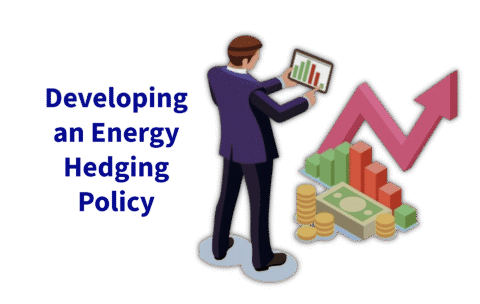
Developing an Energy Hedging Policy
What you'll learn
Why an energy hedging policy is important for risk management
Key components of a comprehensive hedging policy
How to define risk exposure, hedging objectives, and risk tolerance
Governance, controls, and reporting structures for policy enforcement
Best practices for reviewing, updating, and communicating the policy internally
