







Free
Introduction to Technical Analysis
What you'll learn
The fundamentals of technical analysis and why it’s used across financial markets.
How to read and interpret candlestick charts and price movements.
Key chart patterns such as head and shoulders, triangles, and flags.
How to identify support and resistance levels for smarter trade entries/exits.
The role of trendlines, moving averages, and momentum in market analysis.
Practical strategies to apply technical analysis in real-world trading scenarios.
Free
Introduction to Technical Indicators
What you'll learn
Students will understand the role of technical indicators in analyzing market trends, momentum, and potential entry/exit points. They will learn how to apply popular indicators such as moving averages, RSI (Relative Strength Index), MACD (Moving Average Convergence Divergence), and Bollinger Bands. The course emphasizes not just using indicators in isolation, but combining them effectively to confirm signals and manage risk. By the end, students will be able to use technical indicators to support their trading strategies with greater confidence.
Free
Introduction to Trading Psychology
What you'll learn
In the Trading Psychology course, students will learn how emotions such as fear, greed, and overconfidence impact trading decisions, and how to build discipline and mental resilience to manage them effectively. The course explores techniques to stay calm under pressure, develop patience, and follow a structured trading plan without being swayed by short-term market noise. By mastering mindset and emotional control, students will gain the psychological tools needed to make consistent, rational decisions and improve their long-term performance in the markets.

Free
Introduction to Trading Stocks
What you'll learn
Key Takeaways from the Trading Stocks Course
Understand Stock Market Basics – Learn what stocks are, how stock exchanges function, and the role of brokers and regulators.
Different Trading Styles – Explore approaches such as day trading, swing trading, and position trading, and identify which fits your goals.
Reading Charts & Indicators – Gain the ability to analyze stock charts, recognize patterns, and apply technical indicators for informed decisions.
Fundamental Analysis – Discover how to evaluate company performance using earnings, balance sheets, and market news.
Risk & Money Management – Learn essential strategies for managing risk, setting stop-losses, and protecting your trading capital.
Market Psychology – Understand trader behavior, emotions, and how market sentiment influences stock prices.
Building a Trading Plan – Create a structured, disciplined approach to trading that supports long-term growth.
Hands-on Learning – Apply knowledge through practice examples, simulated trades, and real market scenarios.

Free
Introduction to Trading Strategies
What you'll learn
A student learning about trading strategies will gain insight into how traders approach the markets with discipline and structure. They will explore the differences between short-term and long-term strategies, such as scalping, day trading, swing trading, and position trading, and understand the advantages and risks of each. The course will teach how to combine technical indicators, chart patterns, and fundamental analysis to create strategies that fit different market conditions. Students will also learn about risk management, setting stop-loss and take-profit levels, and how to tailor a strategy to their personal goals, time commitment, and risk tolerance. By the end, they will understand how to build, test, and refine a strategy to trade consistently and with greater confidence.
Free
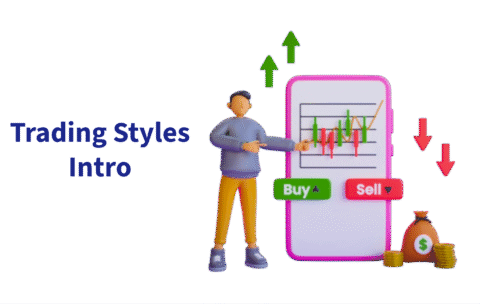
Introduction to Trading Styles
What you'll learn
In this section, students will explore the different trading styles that define how market participants approach decision-making and manage timeframes. You will learn the distinctions between scalping, day trading, swing trading, and position trading, and understand how each style requires unique levels of time commitment, risk management, and strategy. The course will also highlight the psychological and lifestyle factors that influence which trading style may be most suitable for you, helping you match your personal goals, temperament, and availability with an effective trading approach. By the end, you will be able to identify which style aligns with your objectives and how to adapt your techniques as market conditions change.
Free
Leverage in Trading
What you'll learn
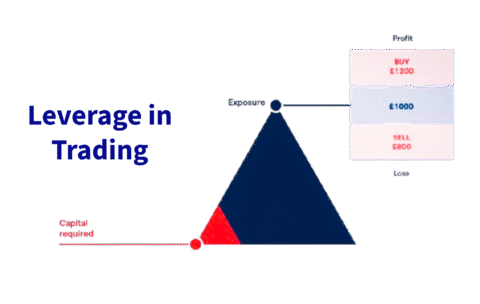
What leverage is and how it works in different markets
The relationship between leverage, margin, and position size
How to calculate leveraged trades and potential outcomes
Risks of over-leveraging and how to avoid common mistakes
How to use leverage responsibly within your trading strategy
Free
Macro trading
What you'll learn
Understand the core principles of macro trading and how it differs from technical trading
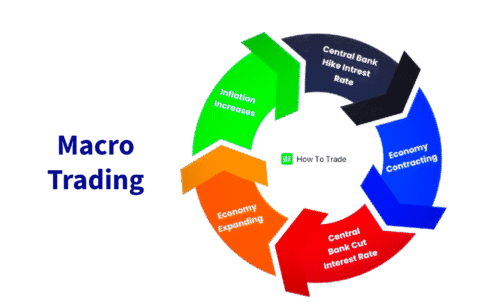
Learn how central bank policies, inflation, interest rates, and economic data affect markets
Discover how to analyze macro indicators such as GDP, CPI, PMI, and NFP reports
Explore how to trade macro themes through Forex, commodities, indices, and bonds
Gain insight into risk management and position sizing for longer-term, macro-based trades
Analyze historical case studies of successful macro trades and market shifts

Free
Most Traded Cryptocurrencies Globally
What you'll learn
Overview of the top traded cryptocurrencies by volume and market cap
The technology, use cases, and teams behind leading coins like Bitcoin, Ethereum, and others
How liquidity and volatility affect trading opportunities
Key metrics for analyzing and comparing different cryptocurrencies
How to build a diversified crypto trading or investment strategy

Free
Nasdaq 100 trading guide
What you'll learn
What the Nasdaq 100 is and how it differs from other indices
How to trade the Nasdaq 100 using spot, CFDs, ETFs, and futures
The economic and sector-specific drivers of Nasdaq 100 price movements
Technical and fundamental analysis tools for Nasdaq trading
Proven strategies for day trading, swing trading, and risk management
Free
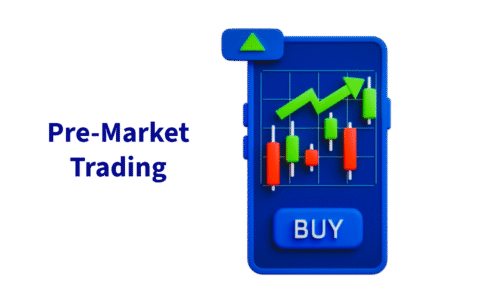
Pre-Market and After-Hours Trading
What you'll learn
The mechanics of pre-market and after-hours trading
Key benefits and risks associated with extended hours
How to access extended trading sessions through different brokers
Strategies for identifying trading opportunities outside regular hours
Best practices for managing risk during low-liquidity periods

Free
Solana Trading For Beginners
What you'll learn
What Solana is and how it compares to other major blockchains
The basics of trading SOL on popular crypto exchanges
How to analyze SOL’s price using technical and fundamental indicators
How to place your first trade and manage risk effectively
Common beginner mistakes and how to avoid them

Free
Soybean Futures
What you'll learn
The structure and mechanics of soybean futures contracts, including tick size, margin, and expiration
Major market drivers affecting soybean prices, such as weather, global trade, and crop reports
How to use soybean futures for hedging, risk management, and portfolio diversification
Techniques for technical and fundamental analysis specific to agricultural markets
Practical strategies for trading soybean futures, from short-term setups to long-term positioning
Free
The London Hammer trading strategy
What you'll learn
Understand the Hammer candlestick pattern and its psychological meaning
Learn how to spot valid Hammer setups during the London session
Discover how to combine this pattern with support/resistance and session timing for high-probability trades
Learn how to place precise entries, stop-losses, and profit targets
Explore the best timeframes and currency pairs for this strategy
Analyze real-world examples of winning and losing trades to understand how to adapt in live markets

Free
The major forex pairs
What you'll learn
What defines a major forex pair and why they matter in the market
Overview of each major pair: EUR/USD, USD/JPY, GBP/USD, USD/CHF, AUD/USD, NZD/USD, and USD/CAD
Key economic indicators and geopolitical factors that impact major pairs
Trading strategies tailored to each pair’s characteristics (volatility, session timing, etc.)
How to manage risk and capitalize on correlations between major pairs
Free
The VIX Volatility Index
What you'll learn
What the VIX is, how it’s calculated, and what it represents
How the VIX reacts to market movements and investor sentiment
Ways to trade the VIX: futures, options, ETFs (like VXX, UVXY), and CFDs
How to use the VIX to hedge against market downturns
Trading strategies based on volatility spikes and mean reversion

Free
Trade the Non-Farm Payrolls
What you'll learn
What the NFP report is, how it's calculated, and why it moves markets
How to interpret NFP data alongside unemployment rate and average hourly earnings
Pre-release strategies: how to prepare using forecasts, sentiment, and positioning
Live trading strategies for high-volatility conditions (breakouts, fades, traps)
Post-release analysis and how to adjust your trading plan based on the results

Free
Trading an IPO
What you'll learn
What an IPO is and how the IPO process works
How to analyze a company before it goes public
Key factors that influence IPO price movement
Trading strategies for IPO day and post-IPO opportunities
Risks and challenges unique to IPO trading

Free
Trading Gold
What you'll learn
The fundamentals of gold trading and how XAU/USD works in the forex and CFD markets
Key economic, geopolitical, and technical factors that influence gold prices
How to use gold as part of a risk management or diversification strategy
How to apply technical indicators and charting tools specifically to gold markets
Strategies for trading gold in different market conditions — ranging from trend-following to breakout trading

Free
Trading Silver
What you'll learn
The fundamentals of the silver market and how XAG/USD is traded in forex and CFD platforms
Key economic indicators and industrial factors that influence silver prices
The relationship between silver, gold, and the US dollar — and how to use it to your advantage
How to apply charting tools, price action, and technical indicators to trade XAG/USD
Trading strategies tailored to silver’s volatility, including trend, range, and breakout setups
Free
Trading the CAC 40 Index
What you'll learn
What the CAC 40 Index is and how it's structured
Key sectors and companies driving the index’s performance
How to trade the CAC 40 using CFDs, ETFs, and futures
Technical and fundamental strategies tailored to the French market
Risk management and timing tips for trading European indices

Free
Trading the EU Stocks 50
What you'll learn
What the Euro Stoxx 50 Index is and how it is composed
How to trade the EU Stocks 50 using CFDs, futures, and ETFs
Economic and political factors that influence index volatility
Technical analysis strategies for trending and ranging conditions
Risk management techniques specific to index and European market trading
Free
Trading the FTSE 100
What you'll learn
What the FTSE 100 Index is and what drives its price
Different ways to trade the FTSE 100 (spot, futures, CFDs, ETFs)
Key sectors and companies within the index and how they impact movement
Technical and fundamental analysis tools for FTSE 100 trading
Risk management techniques and trading strategies tailored to index trading
Free
Trading the Russell 2000
What you'll learn
What the Russell 2000 Index is and how it’s constructed
Key factors that drive movements in small-cap stocks
How to trade the Russell 2000 using futures, CFDs, and ETFs (e.g., IWM)
Strategies for day trading, swing trading, and position trading the index
Risk management techniques for volatile small-cap environments

Free
Trading the S&P 500 index
What you'll learn
What the S&P 500 Index is and how it's constructed
The different ways to trade the index (futures, CFDs, ETFs, options)
Key factors that influence S&P 500 price movements (economic data, earnings, Fed policy)
Technical and fundamental tools for analyzing S&P 500 setups
Risk management strategies tailored for index trading

Free
Trading Tips
What you'll learn
Practical tips for improving trade entries and exits
How to manage risk and protect your capital
Common mistakes most traders make — and how to avoid them
Psychological tips for staying disciplined and focused
Tools and routines that support long-term trading success
Free
Trend and Continuation Patterns
What you'll learn
Understand what market trends are and how they behave
Identify uptrends, downtrends, and sideways/consolidation phases
Recognize key continuation patterns such as:
Flags and Pennants
Triangles (Ascending, Descending, Symmetrical)
Rectangles
Interpret volume behavior during pattern formation
Use these patterns to set entries, exits, and stop-loss levels
Combine trend patterns with other indicators for better accuracy
Free
Understanding Moving Averages
What you'll learn
Understand the concept and purpose of moving averages
Differentiate between Simple Moving Averages (SMA) and Exponential Moving Averages (EMA)
Interpret how moving averages help identify trends and potential reversals
Use moving averages as dynamic support and resistance levels
Apply moving averages in combination with other indicators
Recognize common strategies, such as crossovers and trend-following systems

Free
Understanding Pips
What you'll learn
What a pip is and how it differs across currency pairs (standard, JPY pairs, etc.)
How to calculate pip value based on trade size and currency pair
How pip value affects profit, loss, and risk management in forex trades
The difference between pip value, tick size, and point value in other markets
How to use a pip value calculator and apply it to position sizing
Free
What are bonds
What you'll learn
What bonds are and how they function as investment instruments
The different types of bonds (government, corporate, municipal, etc.)
Key bond terms: coupon, maturity, yield, credit rating, and more
How interest rates affect bond prices and returns
The pros and cons of investing in bonds vs. other asset classes
