








Free
Diversification as a market strategy
What you'll learn
Understand the principles and purpose of diversification
Learn about different types of diversification:
Asset class diversification (e.g., stocks, bonds, forex, crypto)
Sector and industry diversification
Geographic diversification
Strategy diversification (trend following, mean reversion, scalping, etc.)
Discover how diversification reduces portfolio volatility and drawdown
Learn how to measure and balance correlations between assets
Understand the risks of over-diversification and how to avoid them
Explore practical portfolio-building examples based on risk profile and goals

Free
Advanced news trading strategies
What you'll learn
Master how to interpret high-impact economic news and assess its potential market reaction
Learn pre-news planning techniques, including entry setups and scenario mapping
Understand market psychology and price behavior during major news releases
Discover advanced strategies like:
Straddle entries
Spike and fade reversals
Post-news breakout confirmation trades
Learn how to avoid fakeouts and whipsaws using timing, filters, and sentiment tools
Apply precise risk management frameworks tailored to high-volatility trading
Analyze real-world trade examples from historical events
Free
Bolly Band Bounce trading strategy
What you'll learn
Understand how Bollinger Bands work and what they indicate about volatility and price behavior
Learn the core setup for the Bolly Band Bounce Strategy
Identify how to spot price rejection at the Bollinger Bands for entry opportunities
Master trade timing, stop-loss placement, and take-profit levels
Discover how to filter out false signals using trend direction, volume, or confirmation candles
Analyze real chart examples of the strategy in ranging and trending markets
Free
Dual Stochastic Strategy
What you'll learn
Understand how the Stochastic Oscillator works and what it measures
Learn the logic and setup behind the Dual Stochastic Strategy
Discover how to combine fast and slow stochastic signals to find high-probability entries
Identify optimal conditions for using this strategy in trending and ranging markets
Get clear guidance on entry points, exit rules, stop-loss placement, and risk management
See real chart examples showing strategy performance in different market conditions
Free
What is the Pop ‘n’ Stop trading strategy?
What you'll learn
Understand the core concept of the Pop ‘n’ Stop strategy
Learn how to identify potential breakout setups before they happen
Discover how to set entry points, stop-losses, and profit targets
Master the use of key tools like support/resistance zones, volume spikes, and candlestick signals
Gain insight into how this strategy fits within high-volatility market conditions
See real chart examples of successful and failed Pop ‘n’ Stop trades

Free
Trading Strategy Types
What you'll learn
Understand the main types of trading strategies, including:
Scalping
Day Trading
Swing Trading
Position Trading
Learn how each strategy aligns with different timeframes, risk tolerance, and trading goals
Discover the pros and cons of each strategy type
Get practical insights into matching a trading style to your personality and lifestyle
Explore real-world examples and basic tools/indicators used in each strategy
Free
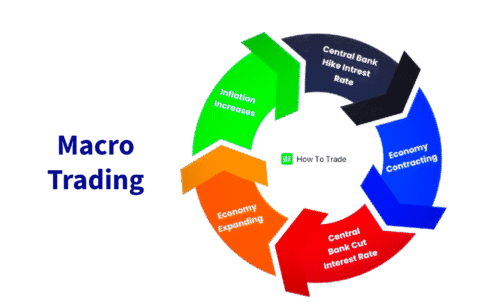
Macro trading
What you'll learn
Understand the core principles of macro trading and how it differs from technical trading
Learn how central bank policies, inflation, interest rates, and economic data affect markets
Discover how to analyze macro indicators such as GDP, CPI, PMI, and NFP reports
Explore how to trade macro themes through Forex, commodities, indices, and bonds
Gain insight into risk management and position sizing for longer-term, macro-based trades
Analyze historical case studies of successful macro trades and market shifts
Free
The Bladerunner Trade
What you'll learn
Understand the core concept and logic behind the Bladerunner Trade
Learn how to use the 20 EMA as a dynamic support/resistance line
Identify valid Bladerunner setups using price action and candlestick confirmation
Know how to trade pullbacks and breakouts with precision
Learn how to place entries, stop-losses, and take-profits based on structure
Discover how to apply the strategy across Forex, crypto, or indices
Analyze real-world trade examples and learn how to avoid common mistakes
Free
Pre-Market and After-Hours Trading
What you'll learn
The mechanics of pre-market and after-hours trading
Key benefits and risks associated with extended hours
How to access extended trading sessions through different brokers
Strategies for identifying trading opportunities outside regular hours
Best practices for managing risk during low-liquidity periods

Free
What Is Livestock Trading?
What you'll learn
What livestock trading is and which animals are most commonly traded (e.g., live cattle, feeder cattle, lean hogs)
How livestock futures contracts work and where they’re traded (e.g., CME Group)
Key factors affecting livestock prices, including feed costs, weather, and global demand
Strategies for trading livestock: speculation, hedging, and spread trading
Risk management techniques specific to agricultural commodities

Free
Forex Cashback Bonuses
What you'll learn
The fundamentals of forex cashback bonuses and how they work
The different types of rebate structures (per trade, per lot, etc.)
How to choose reliable cashback providers and brokers
The potential risks and benefits of using cashback bonuses
How to integrate cashback strategies into your overall trading plan

Free
Exploring Exotic Forex Pairs
What you'll learn
What exotic forex pairs are and how they differ from major and minor pairs
Commonly traded exotic pairs (e.g., USD/TRY, EUR/ZAR, USD/SGD, USD/MXN)
Key drivers of price movements in exotic currencies (interest rates, political risk, capital flows)
How to manage the higher volatility and lower liquidity in exotic markets
Strategic approaches for trading exotics: news-based, carry trades, and long-term positioning

Free
The major forex pairs
What you'll learn
What defines a major forex pair and why they matter in the market
Overview of each major pair: EUR/USD, USD/JPY, GBP/USD, USD/CHF, AUD/USD, NZD/USD, and USD/CAD
Key economic indicators and geopolitical factors that impact major pairs
Trading strategies tailored to each pair’s characteristics (volatility, session timing, etc.)
How to manage risk and capitalize on correlations between major pairs

Free
Trading Tips
What you'll learn
Practical tips for improving trade entries and exits
How to manage risk and protect your capital
Common mistakes most traders make — and how to avoid them
Psychological tips for staying disciplined and focused
Tools and routines that support long-term trading success
Free
The VIX Volatility Index
What you'll learn
What the VIX is, how it’s calculated, and what it represents
How the VIX reacts to market movements and investor sentiment
Ways to trade the VIX: futures, options, ETFs (like VXX, UVXY), and CFDs
How to use the VIX to hedge against market downturns
Trading strategies based on volatility spikes and mean reversion

Free
Forex vs stocks
What you'll learn
Core differences between the Forex and stock markets
Pros and cons of trading currencies vs. individual stocks
Market structure, trading hours, and liquidity comparison
What influences price movements in each market
How to decide which market suits your trading personality and goals
Free
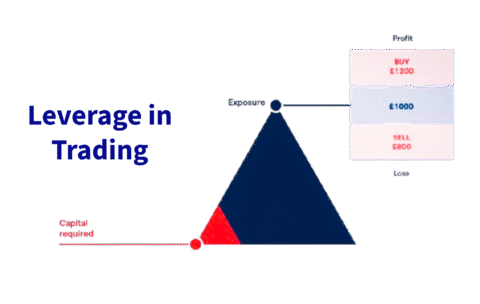
Leverage in Trading
What you'll learn
What leverage is and how it works in different markets
The relationship between leverage, margin, and position size
How to calculate leveraged trades and potential outcomes
Risks of over-leveraging and how to avoid common mistakes
How to use leverage responsibly within your trading strategy

Free
Understanding Pips
What you'll learn
What a pip is and how it differs across currency pairs (standard, JPY pairs, etc.)
How to calculate pip value based on trade size and currency pair
How pip value affects profit, loss, and risk management in forex trades
The difference between pip value, tick size, and point value in other markets
How to use a pip value calculator and apply it to position sizing

Free
FX Swap Trading
What you'll learn
The structure and mechanics of an FX swap: spot leg vs. forward leg
How interest rate differentials drive FX swap pricing and rollover costs
The difference between FX swaps, currency swaps, and forward contracts
How institutional traders and banks use FX swaps for hedging and arbitrage
Trading strategies that incorporate FX swaps, such as carry trade enhancements and synthetic positions

Free
Micro FX futures
What you'll learn
In this educational webinar series, led by Director of Education David Gibbs, learn more about Micro FX futures ‒ smaller-sized contracts for expressing opinions on the changing value of major currencies against the US dollar.

Free
Introduction to Livestock
What you'll learn
Livestock Futures – Live Cattle
Live Cattle futures are designed to allow feedlot operators to hedge against a decline in price before they are able to sell the cattle for processing, and for buyers, such as meat packers, to manage the risk of an increase in the price of the cattle they are planning to purchase for processing, or to protect their profit margin for beef they have committed to ship in the future.
Live Cattle futures trade in units of 40,000 pounds and in minimum price increments of $10.00. They are listed for trading in the even months of February, April, June, August, October and December. Live Cattle is a physically-delivered futures contract, meaning that live steers are ultimately delivered. There are specific standards in terms of the quantity and USDA grade of cattle that can be delivered. The details on the delivery requirements and procedures for Live Cattle futures can be found in the CME Rulebook on the CME Group website.
Lean Hogs
Lean Hogs refers to a hog that is ready for processing at about 275 pounds. Hogs are mainly produced in the Midwest, and it typically takes about six months for a pig to become market-ready. The carcass of a market hog weighs about 200 pounds and will typically yield about 155 pounds of lean meat, which is the core of the lean hog futures contract.
Lean Hog futures allow sellers and buyers, such hog producers and packers, to manage the risk of adverse price movements in their operations. Lean Hog futures trade in units of 40,000 pounds of hog carcasses and in minimum price increments of $10.00. They are listed in February, April, May, June, July, August, October and December. As with Feeder Cattle, Lean Hog futures are settled in cash at expiration, to at a price equal to the CME Lean Hog Index on the last day of trading.
