





Free
What Is Livestock Trading?
What you'll learn
What livestock trading is and which animals are most commonly traded (e.g., live cattle, feeder cattle, lean hogs)
How livestock futures contracts work and where they’re traded (e.g., CME Group)
Key factors affecting livestock prices, including feed costs, weather, and global demand
Strategies for trading livestock: speculation, hedging, and spread trading
Risk management techniques specific to agricultural commodities
Free
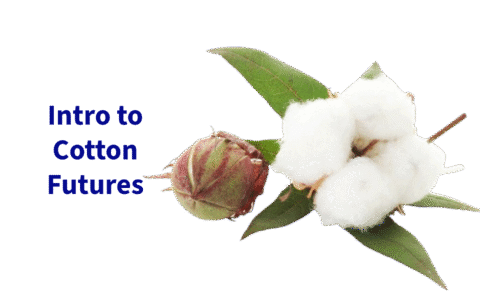
Cotton Futures
What you'll learn
The structure and specifications of cotton futures contracts, including tick size, contract size, and expiry
Key drivers of cotton prices, including global supply and demand, weather, and trade policies
How producers, manufacturers, and traders use cotton futures to hedge price risk
Techniques for applying technical and fundamental analysis to cotton markets
Trading strategies tailored to the volatility and seasonality of soft commodities like cotton
Free
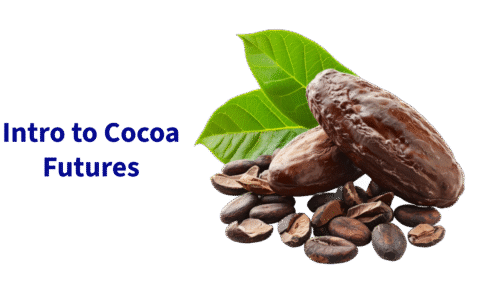
Cocoa Futures
What you'll learn
The fundamentals of cocoa futures contracts, including contract size, tick value, and delivery months
Key price drivers such as crop yields, political risk in producing countries, and global demand
How to use cocoa futures for hedging, speculation, or long-term investment strategies
Methods for conducting technical and fundamental analysis specific to soft commodities
Strategies for navigating the unique volatility and seasonality of cocoa markets
Free
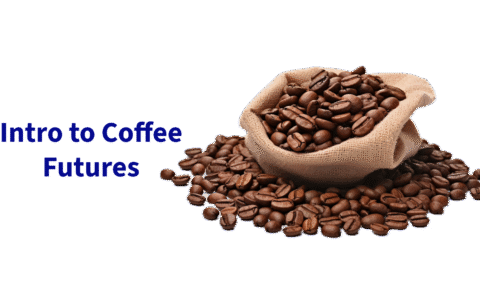
Coffee Futures
What you'll learn
The structure of coffee futures contracts (Arabica vs. Robusta), including lot size, tick value, and settlement
Key factors driving global coffee prices, such as weather, origin risk, and demand cycles
How commercial players (growers, roasters, importers) use coffee futures for hedging
How to apply technical and fundamental analysis to soft commodity markets
Effective trading strategies for volatile and seasonally-driven markets like coffee

Free
Wheat Futures
What you'll learn
The basics of wheat futures contracts, including tick size, margin requirements, and contract expiration
Key market fundamentals affecting wheat prices: weather, harvest cycles, global supply, and trade flows
How producers and traders use wheat futures for hedging and price risk management
Techniques for analyzing wheat markets using both technical and fundamental tools
Practical trading strategies tailored to the unique characteristics of the wheat market

Free
Soybean Futures
What you'll learn
The structure and mechanics of soybean futures contracts, including tick size, margin, and expiration
Major market drivers affecting soybean prices, such as weather, global trade, and crop reports
How to use soybean futures for hedging, risk management, and portfolio diversification
Techniques for technical and fundamental analysis specific to agricultural markets
Practical strategies for trading soybean futures, from short-term setups to long-term positioning
Free
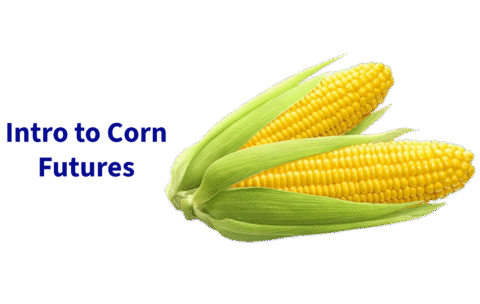
Corn Futures
What you'll learn
The fundamentals of corn futures and how they are traded on exchanges like CBOT
Key factors that influence corn prices, including supply, demand, weather, and global markets
How to read and interpret a corn futures contract (contract size, tick value, expiration dates)
Risk management strategies using corn futures, including hedging and stop-loss techniques
How to analyze market trends and apply technical and fundamental analysis in corn futures trading
Free
Introduction to Grains and Oil-seeds
What you'll learn
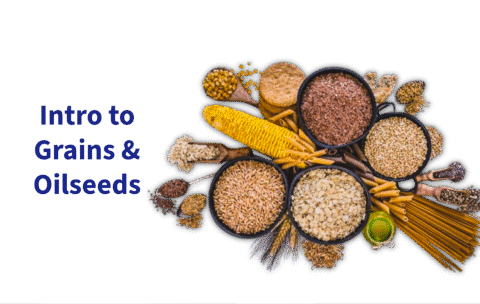
Today’s agriculture markets are highly complex. Agricultural grain futures and options provide the tools the industry needs to manage risk and help put food on the table for a growing global population. Gain an understanding of the fundamentals that affect supply and demand in the grain and oilseed markets. Find out how futures and options provide critical price discovery and risk management roles for a variety of market participants, from farmers, ranchers, processors, distributors, wholesalers, retailers, traders and more. Discover the ways these contracts can fit into your portfolio.

Free
Introduction to Livestock
What you'll learn
Livestock Futures – Live Cattle
Live Cattle futures are designed to allow feedlot operators to hedge against a decline in price before they are able to sell the cattle for processing, and for buyers, such as meat packers, to manage the risk of an increase in the price of the cattle they are planning to purchase for processing, or to protect their profit margin for beef they have committed to ship in the future.
Live Cattle futures trade in units of 40,000 pounds and in minimum price increments of $10.00. They are listed for trading in the even months of February, April, June, August, October and December. Live Cattle is a physically-delivered futures contract, meaning that live steers are ultimately delivered. There are specific standards in terms of the quantity and USDA grade of cattle that can be delivered. The details on the delivery requirements and procedures for Live Cattle futures can be found in the CME Rulebook on the CME Group website.
Lean Hogs
Lean Hogs refers to a hog that is ready for processing at about 275 pounds. Hogs are mainly produced in the Midwest, and it typically takes about six months for a pig to become market-ready. The carcass of a market hog weighs about 200 pounds and will typically yield about 155 pounds of lean meat, which is the core of the lean hog futures contract.
Lean Hog futures allow sellers and buyers, such hog producers and packers, to manage the risk of adverse price movements in their operations. Lean Hog futures trade in units of 40,000 pounds of hog carcasses and in minimum price increments of $10.00. They are listed in February, April, May, June, July, August, October and December. As with Feeder Cattle, Lean Hog futures are settled in cash at expiration, to at a price equal to the CME Lean Hog Index on the last day of trading.
