








Free
Diversification as a market strategy
What you'll learn
Understand the principles and purpose of diversification
Learn about different types of diversification:
Asset class diversification (e.g., stocks, bonds, forex, crypto)
Sector and industry diversification
Geographic diversification
Strategy diversification (trend following, mean reversion, scalping, etc.)
Discover how diversification reduces portfolio volatility and drawdown
Learn how to measure and balance correlations between assets
Understand the risks of over-diversification and how to avoid them
Explore practical portfolio-building examples based on risk profile and goals

Free
Expert Advisors (EAs)
What you'll learn
Understand what Expert Advisors (EAs) are and how they function within MetaTrader platforms
Learn the difference between fully automated and semi-automated trading systems
Discover how to install, configure, and test EAs on MT4/MT5
Explore the basics of backtesting and optimizing EAs using historical data
Understand key concepts like:
Risk parameters
Drawdown limits
Trade filters and time controls
Learn how to evaluate third-party EAs before using them in a live account
Gain awareness of the risks and limitations of automated trading

Free
Bolly Band Bounce trading strategy
What you'll learn
Understand how Bollinger Bands work and what they indicate about volatility and price behavior
Learn the core setup for the Bolly Band Bounce Strategy
Identify how to spot price rejection at the Bollinger Bands for entry opportunities
Master trade timing, stop-loss placement, and take-profit levels
Discover how to filter out false signals using trend direction, volume, or confirmation candles
Analyze real chart examples of the strategy in ranging and trending markets
Free
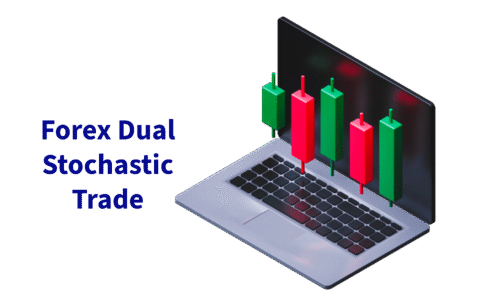
Dual Stochastic Strategy
What you'll learn
Understand how the Stochastic Oscillator works and what it measures
Learn the logic and setup behind the Dual Stochastic Strategy
Discover how to combine fast and slow stochastic signals to find high-probability entries
Identify optimal conditions for using this strategy in trending and ranging markets
Get clear guidance on entry points, exit rules, stop-loss placement, and risk management
See real chart examples showing strategy performance in different market conditions
Free
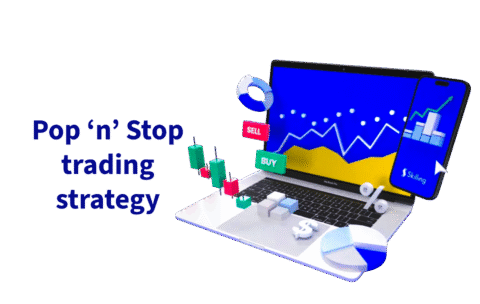
What is the Pop ‘n’ Stop trading strategy?
What you'll learn
Understand the core concept of the Pop ‘n’ Stop strategy
Learn how to identify potential breakout setups before they happen
Discover how to set entry points, stop-losses, and profit targets
Master the use of key tools like support/resistance zones, volume spikes, and candlestick signals
Gain insight into how this strategy fits within high-volatility market conditions
See real chart examples of successful and failed Pop ‘n’ Stop trades

Free
Trading Strategy Types
What you'll learn
Understand the main types of trading strategies, including:
Scalping
Day Trading
Swing Trading
Position Trading
Learn how each strategy aligns with different timeframes, risk tolerance, and trading goals
Discover the pros and cons of each strategy type
Get practical insights into matching a trading style to your personality and lifestyle
Explore real-world examples and basic tools/indicators used in each strategy
Free
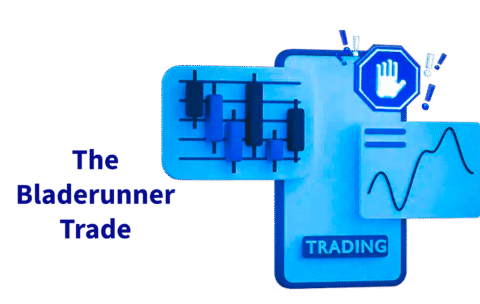
The Bladerunner Trade
What you'll learn
Understand the core concept and logic behind the Bladerunner Trade
Learn how to use the 20 EMA as a dynamic support/resistance line
Identify valid Bladerunner setups using price action and candlestick confirmation
Know how to trade pullbacks and breakouts with precision
Learn how to place entries, stop-losses, and take-profits based on structure
Discover how to apply the strategy across Forex, crypto, or indices
Analyze real-world trade examples and learn how to avoid common mistakes
Free
Pre-Market and After-Hours Trading
What you'll learn
The mechanics of pre-market and after-hours trading
Key benefits and risks associated with extended hours
How to access extended trading sessions through different brokers
Strategies for identifying trading opportunities outside regular hours
Best practices for managing risk during low-liquidity periods

Free
Forex Cashback Bonuses
What you'll learn
The fundamentals of forex cashback bonuses and how they work
The different types of rebate structures (per trade, per lot, etc.)
How to choose reliable cashback providers and brokers
The potential risks and benefits of using cashback bonuses
How to integrate cashback strategies into your overall trading plan
Free
Your guide to synthetics in trading
What you'll learn
What synthetic positions are and how they function in trading
How to construct synthetic longs, shorts, and straddles using options
Differences between synthetic trades and their underlying equivalents
Real-world applications: hedging, leverage, and capital efficiency
Risks, costs, and execution considerations when trading synthetics

Free
New Introduction to ETFs
What you'll learn
What ETFs are and how they differ from mutual funds and stocks
The different types of ETFs: index, sector, commodity, inverse, leveraged, and more
How ETF pricing works: NAV vs. market price and liquidity considerations
Strategies for using ETFs in investing and trading
Risks associated with ETFs and how to evaluate them effectively

Free
Trading Tips
What you'll learn
Practical tips for improving trade entries and exits
How to manage risk and protect your capital
Common mistakes most traders make — and how to avoid them
Psychological tips for staying disciplined and focused
Tools and routines that support long-term trading success
Free
What are bonds
What you'll learn
What bonds are and how they function as investment instruments
The different types of bonds (government, corporate, municipal, etc.)
Key bond terms: coupon, maturity, yield, credit rating, and more
How interest rates affect bond prices and returns
The pros and cons of investing in bonds vs. other asset classes
Free
Introduction to Gapping in Trading
What you'll learn
What a price gap is and how gaps form on charts
The four main types of gaps: common, breakaway, runaway, and exhaustion gaps
How to interpret gaps as signals for momentum or reversals
Strategies for trading gap ups and gap downs
Risk management tips for trading in volatile, gapping conditions

Free
What is Day Trading
What you'll learn
The definition of day trading and how it compares to other trading styles
The tools and platforms commonly used by day traders
Key strategies such as momentum trading, scalping, and breakout trading
Risk and money management principles to protect your capital
How to create a daily trading routine and trading plan
Free
Scalping in trading
What you'll learn
What scalping is and how it fits into the spectrum of trading styles
How to identify high-probability scalping setups using technical indicators
Tools and platforms best suited for fast execution
Risk and money management strategies to survive and thrive
How to build a repeatable, disciplined scalping routine

Free
Swing Trading
What you'll learn
The fundamentals of swing trading and how it differs from day and long-term trading
How to identify trade setups using technical indicators and chart patterns
Entry and exit strategies based on support/resistance, trends, and momentum
Risk management techniques for protecting capital during volatile moves
How to develop and test a swing trading strategy that fits your style
Free
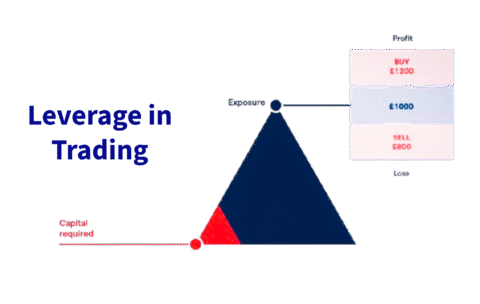
Leverage in Trading
What you'll learn
What leverage is and how it works in different markets
The relationship between leverage, margin, and position size
How to calculate leveraged trades and potential outcomes
Risks of over-leveraging and how to avoid common mistakes
How to use leverage responsibly within your trading strategy

Free
Building a Trade Plan
What you'll learn
What is a trading plan?
A trading plan is a business plan for your trading career. Like any business plan, a trading plan is a working document in which you make assumptions about projected costs, revenues, and business conditions. Some of your assumptions may be right, some will surely be wrong. You wouldn't start a business without a business plan, so why would you start trading without a trading plan?
The real value in writing a trading plan is that it forces you to think about every part of your trading business, including confronting your strengths and weaknesses, and formulating reasonable expectations.
Any solid trading plan consists of the following five components. There are no shortcuts to developing a trading plan that will support your objectives. Take the time now to think about each of these components thoroughly and you will thank yourself later.

Free
The Trade Plan
What you'll learn
Chapter 1 Expanding your Futures Knowledge: Use the trade plan to reinforce your knowledge of futures trading. Use pages 3-7 and page 13 to think about the futures products you are interested in and what information you need to know and record this information.
Chapter 2 Take your trade plan to the next level: In this section (pages 8-9), you will focus on yourself. Just as important as understanding the products, you must understand yourself, trading style and tolerance for risk. Understanding your tendencies will help guide your trading strategy.
Chapter 3 Practice what you’ve learned: This is where your learning is put into practice. Use our Trading Simulator to implement your own strategies and review their outcomes. Take notes and learn from your experiences. A template has been provided, but you may want to build your own spreadsheets to record your trading activity.

Free
Master the trade
What you'll learn
Master the Trade: Futures is a course designed for new traders to increase their understanding of futures contracts and strategies for trading. This course brings together industry professionals so you can hear their perspectives on trading, learn about their strategies, and see how they approach various trading scenarios.

Free
Intro to online trading
What you'll learn
With New to Markets, you’ll gain the essential knowledge and practical skills to begin your journey in online trading. You will learn how financial markets work, the differences between stocks, forex, and commodities, and how to analyze price movements using both technical and fundamental analysis.
Our program also introduces you to vital topics like risk management, trading psychology, and building a disciplined trading plan—the cornerstones of long-term success. By the end, you will understand how to navigate trading platforms confidently and apply proven strategies designed for beginners who want to grow into informed, independent traders.
Free
Introduction to Trading Styles
What you'll learn
In this section, students will explore the different trading styles that define how market participants approach decision-making and manage timeframes. You will learn the distinctions between scalping, day trading, swing trading, and position trading, and understand how each style requires unique levels of time commitment, risk management, and strategy. The course will also highlight the psychological and lifestyle factors that influence which trading style may be most suitable for you, helping you match your personal goals, temperament, and availability with an effective trading approach. By the end, you will be able to identify which style aligns with your objectives and how to adapt your techniques as market conditions change.

Free
Introduction to Trading Strategies
What you'll learn
A student learning about trading strategies will gain insight into how traders approach the markets with discipline and structure. They will explore the differences between short-term and long-term strategies, such as scalping, day trading, swing trading, and position trading, and understand the advantages and risks of each. The course will teach how to combine technical indicators, chart patterns, and fundamental analysis to create strategies that fit different market conditions. Students will also learn about risk management, setting stop-loss and take-profit levels, and how to tailor a strategy to their personal goals, time commitment, and risk tolerance. By the end, they will understand how to build, test, and refine a strategy to trade consistently and with greater confidence.

Free
The Traders Edge
What you'll learn
What You Will Learn
By the end of this course, students will:
Gain a clear understanding of Micro Bitcoin and Gold Futures, their contract specifications, and how to trade them effectively.
Develop risk management frameworks to protect capital and ensure longevity in trading.
Recognize and apply common trading patterns in Micro EUR/USD Futures to identify high-probability setups.
Learn how to combine technical patterns with volatility insights for smarter trade entries and exits.
Build a disciplined, structured approach to trading that focuses on consistency over short-term luck.
Free
Advanced Trading Strategies
What you'll learn
By the end of this section, students will:
Explore multi-timeframe strategy integration for higher accuracy.
Apply volatility and momentum-based trading approaches.
Build confluence strategies using a mix of indicators, chart patterns, and price action.
Understand how to design rule-based systems for discipline and repeatability.
Learn to test, refine, and adapt strategies to different market conditions.

Free
Introduction to financial markets
What you'll learn
By the end of this section, students will:
Understand the structure and purpose of the major financial markets (forex, stocks, commodities, bonds, and derivatives).
Learn about the key participants — from retail traders to central banks and institutional investors.
Recognize how supply, demand, and economic events drive price movements.
Gain an introduction to market regulation and fairness.
Build the essential foundation for studying trading strategies and risk management.
